
The Posture of a Repentant Heart: Turning Back to God
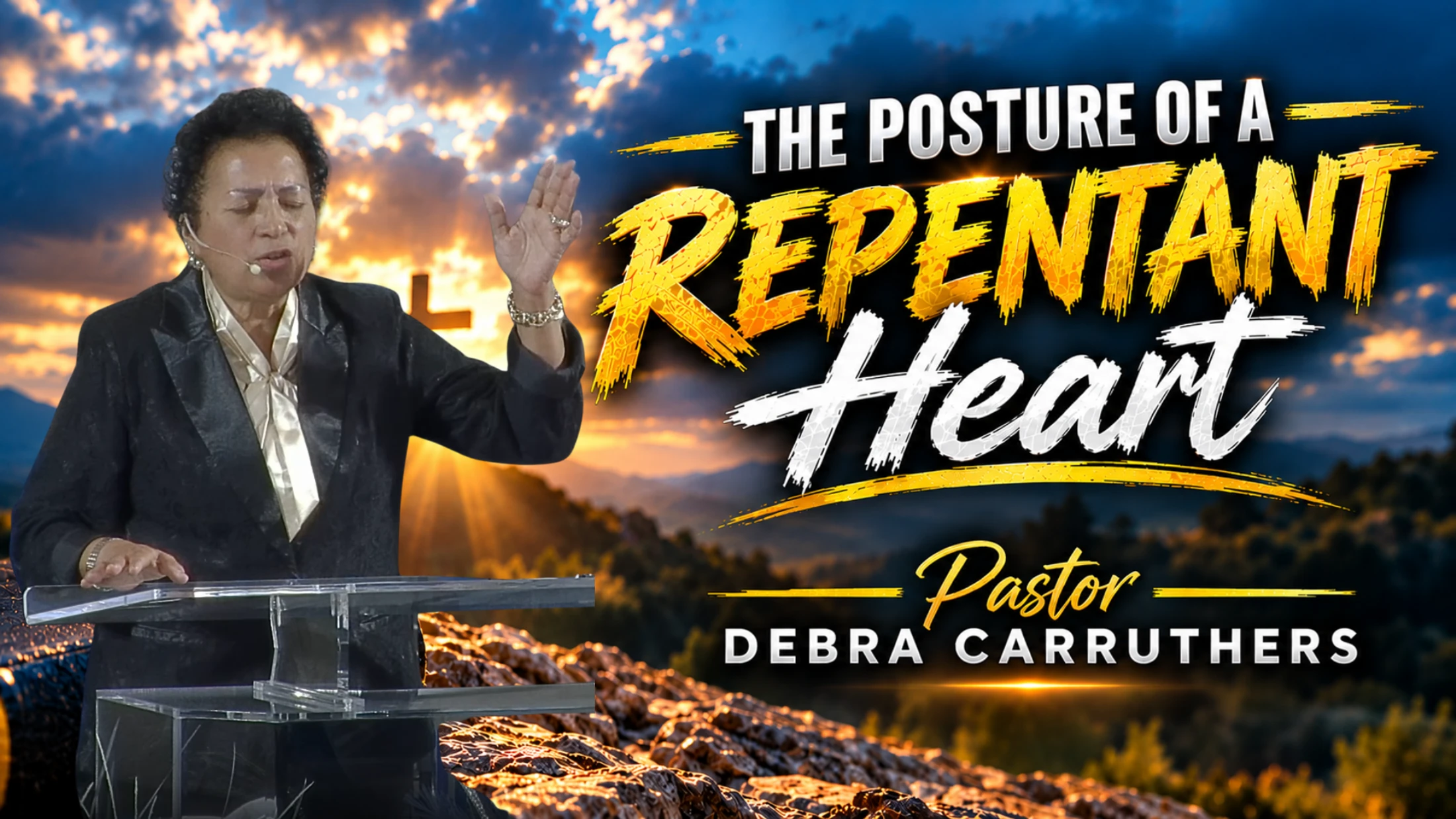
Study Guide: The Posture of a Repentant Heart
True repentance is not guilt, an apology, confession alone, or religious
ritual. It is an inward transformation that changes the mind, behavior,
desires, and lifestyle.
- David’s prayer in Psalm 51 models honest confession, sorrow over sin,
dependence on God’s mercy, and a desire for a pure heart and renewed
spirit.
- God invites people to return to Him through mercy and compassion. A broken
spirit and contrite heart are received rather than rejected.
- Repentance must be ongoing because believers continually face conflict
between sinful nature and the Holy Spirit.
Core Biblical Themes
- Psalm 51:1–10, 17: David appeals to God’s compassion, seeks cleansing, and
asks for a pure heart. God values a broken spirit and contrite heart.
- Joel 2:13: God desires hearts that are torn in genuine sorrow, not merely
outward displays of grief.
- Proverbs 4:23: The heart must be guarded because life and conduct flow from
it.
- Philippians 3: Spiritual growth requires leaving the past behind and pressing
forward toward Christ’s heavenly calling.
- 1 John 1:9: God faithfully forgives and cleanses those who confess their
sins.
- Romans 3:23: Every person has sinned and falls short of God’s glory.
- Romans 7: The inner struggle between the flesh and the desire to obey God is
real and ongoing.